
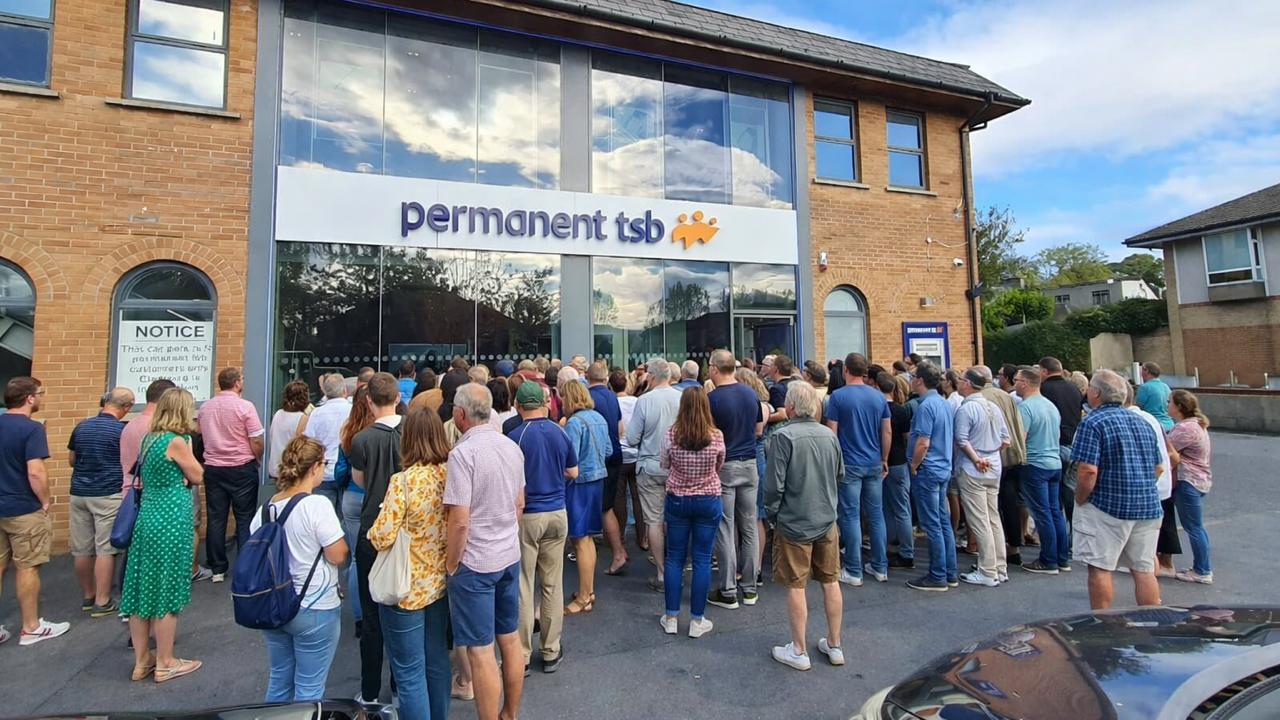
There is something quietly revealing about a queue that forms before a bank branch even opens its doors. In Ireland in 2025, this is not a rare sight. It is Tuesday morning in Limerick or Tullamore, and a dozen people are already standing outside at 9:15am.
The branch closure factor nobody mentions first
Between 2020 and 2024, Ireland lost a significant portion of its physical banking network. Ulster Bank and KBC exited the market entirely, pushing hundreds of thousands of customers toward AIB and Bank of Ireland. Those two institutions did not absorb the footfall smoothly. Branches that once served a catchment of 8,000 people now serve multiples of that.
The queue is not just about preference for in-person service. Many transactions still cannot be completed digitally in Ireland, including certain mortgage document submissions, estate account closures, and currency exchange above specific thresholds.
Who is actually standing in those lines
A non-obvious detail: a disproportionate share of branch visitors are not technophobic older adults, as the narrative often assumes. Sole traders, small business owners lodging cash takings, and people dealing with bereavement administration make up a substantial portion of daily branch traffic. These are not tasks that a mobile app resolves.
Where to go from here if you are new to this topic
- The Competition and Consumer Protection Commission publishes annual reports on banking access in Ireland
- The Banking and Payments Federation Ireland tracks branch and ATM network changes with actual figures
- Citizens Information covers your rights when banking services are withdrawn from a local area
The queue is a symptom. The causes are structural, and understanding them takes about ten minutes of reading the right sources.